
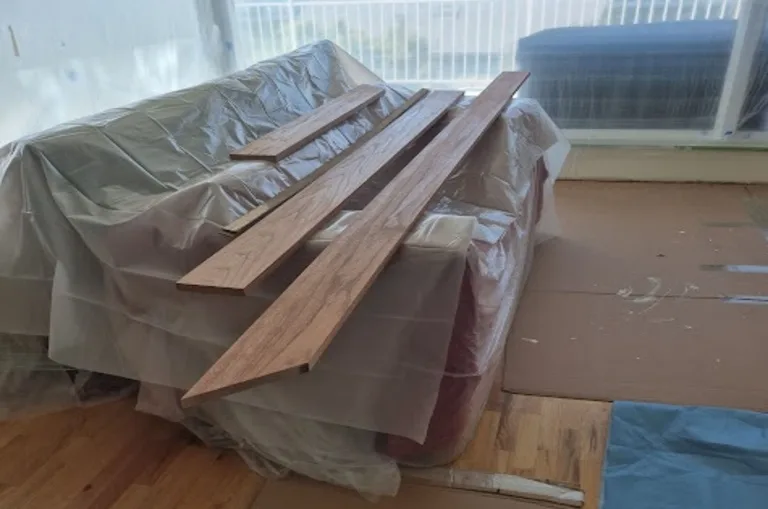
The tracking page finally says “delivered.” A dresser, desk, wardrobe, or shelving unit that looked completely straightforward online is now sitting in several boxes inside your Everett home. Once the packaging comes off, however, the project can look very different. Similar-looking panels, bags of hardware, awkward components, and a room with limited working space can turn a simple purchase into an unexpectedly long project.
That is often when homeowners start considering furniture installation services in Everett. The difficult part is not always assembling every screw and panel. You also need to confirm that nothing arrived damaged, build the piece in the correct sequence, get it into its intended location, check its stability, and handle any anchoring requirements before putting it into everyday use.
Before You Assemble Anything, Check What Actually Arrived
Opening the first hardware bag and immediately reaching for a screwdriver can create problems later. Give yourself a few minutes to inspect the shipment first.
Start with the major panels and finished surfaces. Look for cracks, chipped corners, bent brackets, damaged drawer components, scratches, or other obvious shipping damage. Then compare the hardware and components with the manufacturer’s parts list.
This early check matters because a missing component discovered five minutes into the project causes an inconvenience. Finding the same missing component after you have assembled most of a wardrobe can mean partially taking the piece apart again.
The same applies to damaged parts. Installing a questionable panel because you hope it will “work anyway” can make the eventual solution more complicated. If the inspection reveals a complicated setup or you would rather avoid taking apart a half-built piece later, furniture installation services in Everett can help you get the assembly right from the beginning.
Before assembly, confirm:
- The major panels match the instructions.
- Required screws, dowels, brackets, hinges, and fittings are present.
- Finished surfaces have no significant shipping damage.
- Moving parts such as drawer components appear intact.
- You have the manufacturer’s instructions available.
Manufacturer guidance supports this approach. IKEA, for example, advises customers to read the instructions before assembly and check for missing or defective parts and screws.
The Room Matters as Much as the Furniture
A furniture diagram cannot see your hallway.
It does not know that your Everett home has a tight turn at the top of the stairs, a narrow bedroom doorway, thick baseboards, an outlet directly behind the planned location, or another piece of furniture that limits maneuvering space.
Before building a large item, measure more than its final footprint.
Check the route from the delivery area to the room where the piece will stay. Consider doorway width, hallway turns, stairs, ceiling clearance, nearby windows, trim, outlets, and existing furnishings.
Then ask an important question:
Should this piece be fully assembled before it reaches the room?
Sometimes the answer is no.
A boxed wardrobe can travel through a hallway easily because its components remain flat. The completed wardrobe may be much harder or impossible to move through the same route without disassembly.
Planning the final location before construction begins can save considerable rework.
Why Do Furniture Assembly Problems Appear So Late?
One frustrating feature of flat-pack furniture is that an early mistake may remain hidden for several steps.
You can install a panel backward and still attach the next two pieces. You may use a similar-looking fastener in the wrong location without noticing anything unusual. A cabinet can appear square until the doors go on.
Then the problem finally shows itself.
A drawer refuses to close. Two holes no longer line up. One cabinet door sits higher than the other. The back panel does not fit. Suddenly, the instructions seem wrong even though the actual mistake happened several pages earlier.
This is where patience matters.
If two components require unusual force to connect, stop and check the preceding steps. Forcing a connection can damage particleboard, strip threads, bend hardware, or make an otherwise reversible assembly error more difficult to correct.
Watch for These Warning Signs During Assembly
Furniture does not need to fall apart before you know something went wrong.
Drawers Rub or Refuse to Close
Drawer problems can indicate that the cabinet or dresser is not square, a slide is incorrectly positioned, or another component has shifted out of alignment.
Doors Do Not Line Up
Uneven doors can result from hinge adjustment, but they can also point to an assembly or alignment issue elsewhere in the piece.
The Furniture Rocks
A desk, bookcase, cabinet, or dresser should not noticeably wobble during normal use. Check the floor, adjustable feet, connections, and overall assembly before assuming the movement is harmless.
Fasteners Keep Spinning
Repeatedly tightening a screw that no longer grips can damage the surrounding material. Stop before a minor connection problem turns into a damaged panel.
The Next Step Requires Force
Furniture components designed to connect in a particular way should generally align as the manufacturer intended. Unexpected resistance deserves another look at orientation, hardware choice, and previous assembly steps.
Furniture Assembly and Furniture Installation Are Different Jobs
People often use “assembly” and “installation” interchangeably, but there is a practical difference.
Assembly creates the piece. Installation considers what happens after the piece exists.
For example, assembling a bookshelf means connecting its shelves, sides, back, and related hardware. Installing it may also involve moving it into position, checking whether it sits level, confirming stability, and completing manufacturer-required anchoring.
That distinction becomes more important with large wardrobes, tall shelving, dressers, entertainment centers, modular storage systems, and office furniture. These larger projects also leave more room for small errors to affect the finished setup, which is why understanding common furniture installation mistakes can help homeowners recognize potential problems before they become harder to correct.
When homeowners use furniture installation services in Everett, the finished result should not merely resemble the product photo. It should work correctly in the actual room where it will be used.
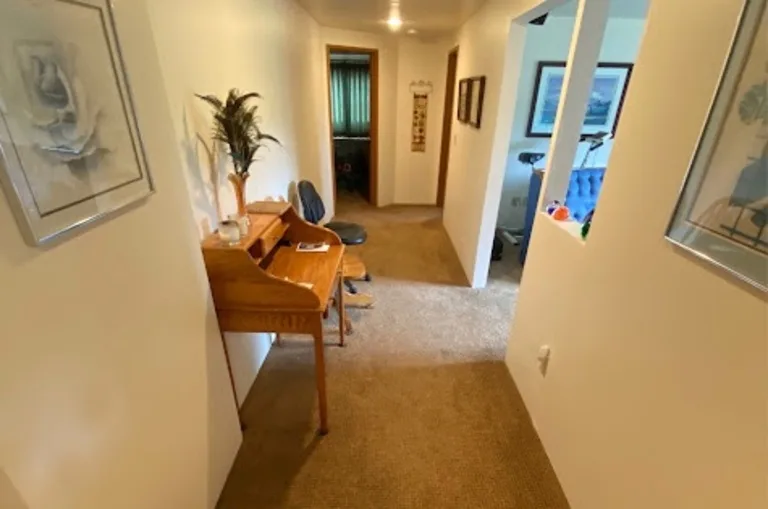
Do Not Treat Wall Anchoring as an Optional Finishing Touch
Tall or top-heavy furniture deserves particular attention.
The U.S. Consumer Product Safety Commission recommends anchoring furniture such as bookcases and dressers securely to the wall to help prevent tip-over incidents. The agency also advises consumers to follow manufacturer instructions when securing furniture.
If the manufacturer supplies an anti-tip device or specifies an anchoring procedure, follow those instructions.
Anchoring should also match the furniture, wall construction, hardware, and manufacturer’s requirements. It should not become an improvised final step after everything else is finished.
This is especially important in homes where children may climb, pull on drawers, or reach for objects stored higher up.
Measure Before the Furniture Becomes Difficult to Move
Large furniture has an inconvenient habit: it becomes hardest to reposition exactly when you finish building it.
Before completing a large desk, wardrobe, dresser, shelving system, or entertainment center, verify:
- The final location has enough width, depth, and height.
- Doors and drawers have room to open completely.
- Baseboards or trim will not interfere with placement.
- Electrical outlets remain accessible where necessary.
- The piece can reach its destination after assembly.
- Required anchoring can be completed in the chosen location.
This simple check can prevent the classic situation where a perfectly assembled piece ends up several feet from where it needs to be because it cannot clear a doorway or corner.
When Should You Stop a DIY Furniture Project?
There is no reason every flat-pack purchase needs professional assembly. A simple nightstand or small table may take little more than some time, basic tools, and careful attention to the instructions.
Other projects tell you fairly quickly that they will require more work.
Consider professional furniture installation services in Everett when:
- Several large pieces need assembly at once.
- The furniture has numerous similar components or complicated hardware.
- You cannot safely maneuver the item into position.
- The partially assembled piece no longer aligns correctly.
- The instructions require wall attachment that you are not comfortable completing.
- A previous assembly mistake needs to be identified and corrected.
- You do not have the tools or working space required for the project.
- The completed piece needs particularly precise placement or leveling.
Stopping does not mean the project failed. Sometimes it prevents a correctable mistake from becoming permanent damage.
What If You Have Already Started Building It?
A half-built dresser on the bedroom floor can feel worse than an unopened box because you have already invested time in it.
Do not automatically dismantle everything.
First, identify the point where the problem appeared. Compare the current assembly with earlier diagrams. Check panel orientation, hardware type, hole positions, and any pieces installed immediately before the problem became noticeable.
If you cannot confidently determine what went wrong, professional help may make more sense than continuing through trial and error.
At One Call Home Repair, we can assess furniture that has become difficult to complete and determine what needs attention before moving forward. Depending on the project, that may involve correcting assembly, completing installation, checking placement, leveling the piece, addressing appropriate anchoring requirements, and cleaning up after the work.
Furniture Installation Is Not Just for Homes
The same post-delivery problems occur in workplaces.
Desks, storage units, workstations, shelving, meeting-room furniture, and other office pieces can arrive as multiple packages that still need assembly and positioning.
The difference is that a half-finished desk in a business can also interfere with the workspace.
Planning becomes particularly important when several pieces must fit together or when furniture needs to work around existing equipment, outlets, doors, and circulation space.
For either residential or workplace projects, furniture installation services in Everett can help bridge the gap between “delivered” and “ready to use.”
Frequently Asked Questions
Can furniture purchased online be professionally assembled after delivery?
Yes. Many types of ready-to-assemble furniture can be professionally assembled after delivery, provided the necessary components are available and the item is suitable for the requested service.
What should I do if furniture arrives with a damaged panel?
Document the damage and check the manufacturer’s or retailer’s replacement process before incorporating the damaged component into the assembly. Addressing it before construction can make replacement easier.
Can someone finish furniture that I already started assembling?
In many cases, yes. The existing assembly should first be checked to identify incorrect components, alignment problems, damaged connections, or other issues that may need correction before work continues.
Does furniture installation include leveling?
It can. Leveling may form part of the installation when the furniture or its intended location requires adjustment. The exact work depends on the piece and site conditions.
Should tall furniture be anchored?
Follow the furniture manufacturer’s instructions and supplied anti-tip requirements. The CPSC recommends securing furniture such as bookcases and dressers to walls to reduce tip-over hazards.
Turn Delivery Day Into a Finished Project
Buying furniture online feels easy right up until the boxes are open.
The difference between a frustrating weekend project and a usable piece of furniture often comes down to what happens before and during assembly: inspecting the shipment, understanding the instructions, planning the route, checking alignment as you work, and knowing when something needs another look.
If your new furniture has arrived in Everett but the project has stalled somewhere between unboxing and final placement, One Call Home Repair can help complete the job without turning your home into a long-term assembly area.
Call (425) 551-0353 to discuss your furniture installation or assembly project and get your new furniture out of the box and into everyday use.